Grandparenting is a cherished role, filled with love, guidance, and the joy of seeing life through a younger generation’s eyes. But what happens when life shifts unexpectedly—through the loss of a spouse, a major health diagnosis, retirement, divorce, or a significant relocation? These changes can affect not only how grandparents see themselves but also how they connect with their grandchildren. Navigating grandparenting after a loss or life change requires resilience, redefinition, and grace.
When Life shifts unexpectedly

Understanding Your New Reality
Loss and major life transitions can bring a mix of emotions—grief, confusion, fear, or even relief. Grandparents must first acknowledge their feelings and the effect these changes have on their well-being. Processing this shift honestly can pave the way for healthier connections with grandchildren. Ignoring emotional or physical needs, however, may create barriers to meaningful interaction.
Re-establishing Your Role
It’s natural to wonder how a new situation might alter your identity as a grandparent. For example, if you've lost a spouse, your shared traditions may now feel bittersweet. If you've relocated or retired, you might feel adrift without the familiar routines. But within this uncertainty lies opportunity: a chance to redefine your grandparenting role based on present realities and future hopes.
Communicating with Your Family
Open communication is key during transitions. Let your adult children know how you’re doing and what kind of support—or space—you might need. At the same time, listen to their concerns and expectations. Keeping the lines of communication open builds trust and ensures the family unit remains strong and mutually supportive.
Adjusting Expectations
You may not be able to do everything you used to—but that doesn’t mean you can’t remain a vibrant part of your grandchildren’s lives. Instead of focusing on what’s lost, try to explore new ways to connect and contribute. For example:
-
Replace active outings with storytelling, art, or music time.
-
Share your life experiences in age-appropriate ways that help build family legacy.
-
If mobility is an issue, try video chats or write letters to stay close from afar.
-
Focus on being present, not perfect.
Embracing Grief and Joy Together
Children are often more perceptive than we think. It’s okay to let them see you grieve or share about changes—if it’s done gently and appropriately. Doing so can help them understand that life includes both joy and loss, and that healing is possible. Modeling healthy emotional expression teaches them resilience.
Finding Support
Support can come in many forms: therapy, faith communities, social groups, or even other grandparents who understand what you're going through. You don’t have to navigate these changes alone. Joining a support group or attending a local grief recovery workshop can be incredibly healing and can give you tools to strengthen your family bonds.
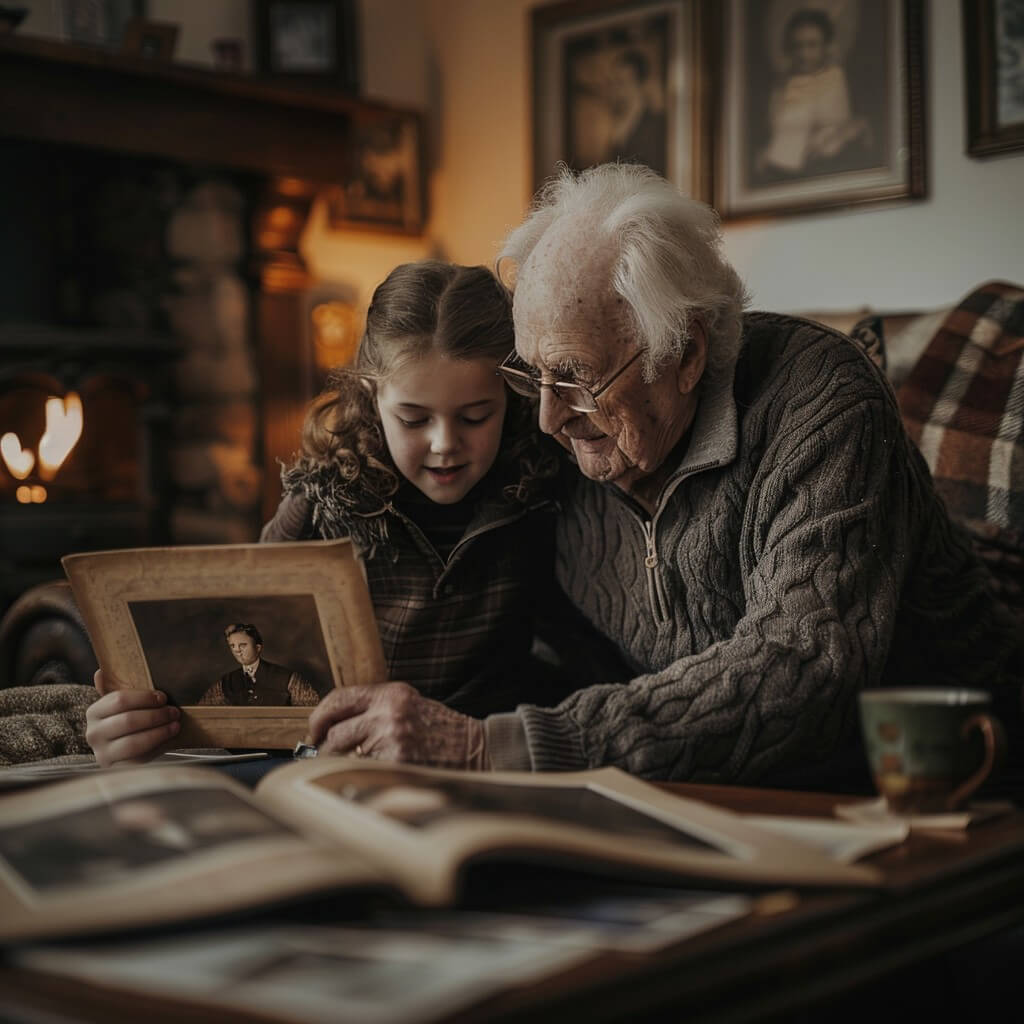
Rebuilding Connection Through Rituals
Small rituals can help rebuild and reinforce the grandparent-grandchild bond after a disruption. These can be simple and deeply meaningful:
-
“Memory Mondays” where you share a photo and story.
-
A monthly baking session over Zoom or in person.
-
Sending care packages filled with puzzles, crafts, or books.
-
Creating a shared journal where both you and your grandchild write entries.
Looking Forward with Hope
Change doesn’t erase love. In fact, adapting your grandparenting style can help deepen the emotional connections that truly matter. Even in the face of loss or upheaval, you can still be a source of stability, comfort, and inspiration for your grandchildren.
Final Thoughts
Grandparenting after a life-altering event isn’t about “getting back to normal”—it’s about building a new normal that includes your wisdom, presence, and heart. Whether your grandparenting journey now looks different than it once did, it still holds great meaning. With patience, creativity, and support, you can continue to be a light in your grandchildren’s lives, even during life’s darker chapters.
Recent Posts
After the Bridge Is Rebuilt: How to Keep the Peace Long-Term
Reconciliation is just the beginning. Grandparents who rebuild strained relationships often slip back into old…
Grandparenting Workshops and Seminars: What to Expect and How to Plan One
Grandparenting workshops are in high demand. Learn what makes them effective, which topics resonate most…
Neil Taft Speaking Topics: Building Stronger Grandparent Relationships
Neil Taft's speaking topics address the real challenges modern grandparents face - from estrangement to…
How to Find the Right Grandparenting Speaker for Your Event
Finding the right grandparenting speaker means looking beyond credentials to real-world experience, viral reach, and…
Scarlet Turns 21: A Letter from Papa Jamie
A grandfather's letter to his granddaughter on her 21st birthday. Wisdom on identity, relationships, risk,…
When the Bridge Breaks: How to Rebuild Your Relationship With Your Grandchildren’s Parents
Strained grandparent-parent relationships are more common than families admit. When the bridge breaks, rebuilding requires…