
Grandparents Preparing Families for Dementia
Dementia is a word that can stir fear, confusion, and uncertainty for many families. Yet for grandparents, understanding dementia is not only about preparing for the possibility of memory loss—it is also about protecting family bonds, preserving dignity, and reassuring loved ones, especially grandchildren. Dementia is not a single disease but a general term used to describe a decline in memory, thinking, and communication that interferes with daily life

“Early awareness allows families to prepare with dignity instead of fear.”
Alzheimer’s disease is the most common form, but there are many others. While aging itself does not directly cause dementia, the risk increases as we grow older. For grandparents, learning about dementia early allows for proactive planning, honest conversations, and emotional preparedness. By addressing the topic gently and openly, families can reduce fear and ensure that love, patience, and understanding remain at the heart of every interaction.
One of the most sensitive parts of preparing for dementia is explaining it to grandchildren in a way that is reassuring rather than frightening. Children often sense when something is wrong long before adults speak about it, and silence can sometimes create more anxiety than the truth. The goal is not to overwhelm them with medical details but to offer age-appropriate explanations that emphasize safety, love, and continuity. You might explain that dementia is a condition that makes it harder for the brain to remember things, just like some illnesses make it harder for the body to move. Remind them that the grandparent is still the same person inside, even if they forget names, repeat questions, or seem confused at times. Encourage children to share their feelings, whether it’s sadness, confusion, or even frustration. A gentle explanation helps grandchildren feel included rather than afraid, and teaches compassion early in life.
Recognizing the early signs of dementia allows families to seek support sooner and prepare emotionally and practically. Early symptoms can be subtle and are often dismissed as normal aging, but knowing what to look for can make a meaningful difference. Some early signs may affect memory, behavior, mood, and daily functioning. While only a medical professional can diagnose dementia, these common early warning signs should not be ignored:
- Frequent memory loss that disrupts daily life
- Difficulty finding words or following conversations
- Repeating the same questions or stories
- Confusion about time, place, or familiar routines
- Misplacing items and being unable to retrace steps
- Changes in personality, mood, or judgment
- Struggling with tasks that were once easy, such as managing finances or cooking
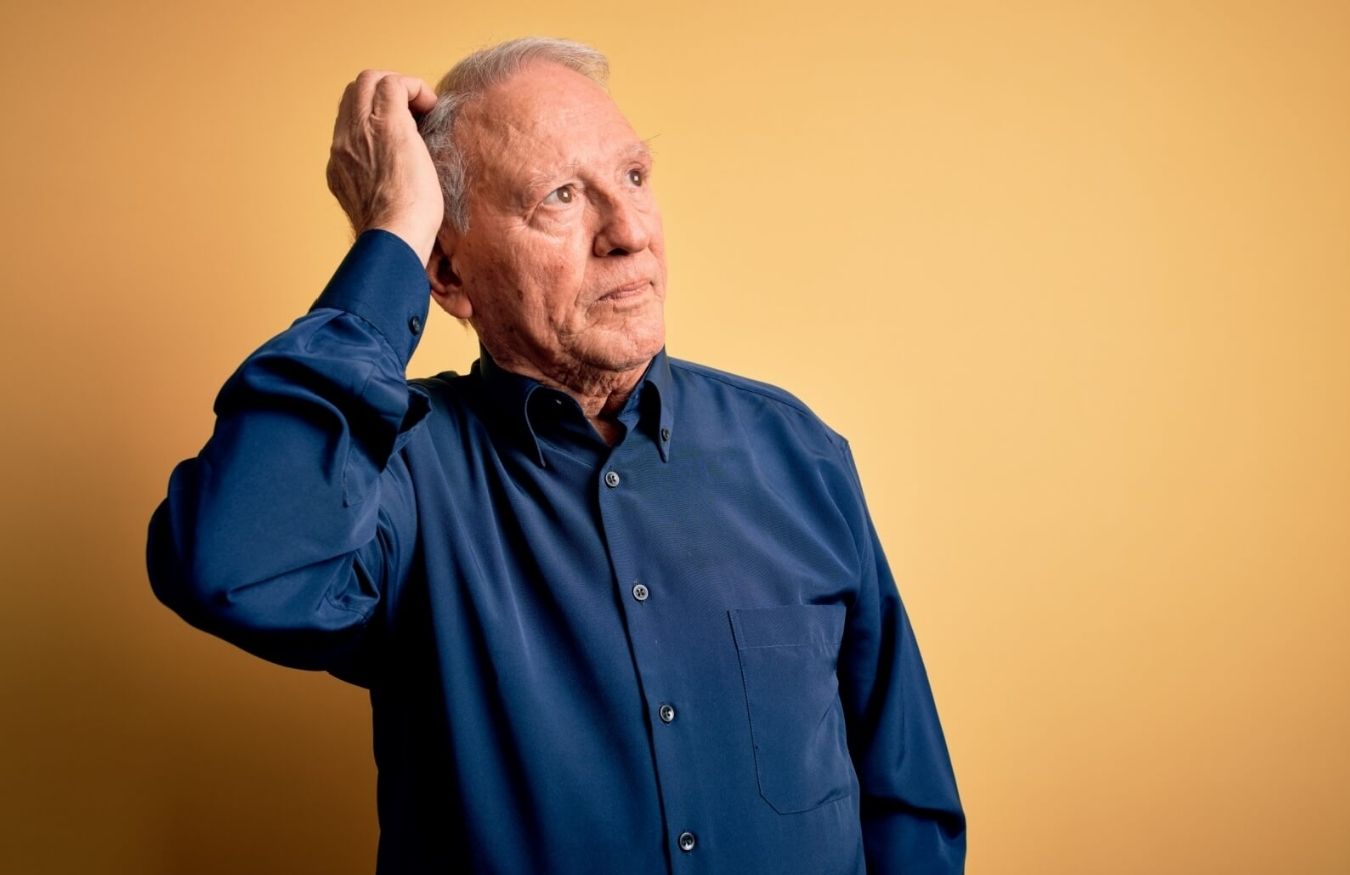
“The person you love is still there, even when words and memories become difficult.”
Noticing these changes early allows families to seek medical advice, plan for care needs, and reduce panic later. Early diagnosis also opens doors to treatment, counseling, and community resources that can improve quality of life for both the individual and their caregivers.
Maintaining a meaningful emotional connection is one of the greatest challenges—and greatest gifts—when a grandparent is living with dementia. Memory may fade, but the need for love, reassurance, and belonging does not. Even when words become difficult, emotions remain powerful. Grandchildren and family members can continue to connect through familiar routines, music, touch, and shared moments of calm. Simple activities like looking through old photo albums, listening to favorite songs, folding laundry together, or taking short walks can spark joy and comfort. It is also important to adjust expectations. Conversations may repeat, plans may change, and confusion may appear suddenly. Responding with patience rather than correction protects the relationship and preserves dignity for everyone involved.
“The goal is not to overwhelm children with medical details, but to reassure them that love remains even when memory changes.”
Preparing the family for dementia is not just a medical process—it is an emotional and relational journey. Open communication, education, and compassion help families move from fear toward understanding. Grandparents can play a powerful role by initiating early conversations, organizing important documents, and sharing wishes regarding care and decision-making while they are still able. Families, in turn, can support grandparents by listening without judgment, learning together, and growing stronger through shared responsibility. Dementia may change how memories are held, but it does not erase love, identity, or the impact of a lifetime of connection. With preparation, patience, and compassion, families can continue to walk together with dignity, grace, and enduring love.