
Grandparenting as Reductive Art
When an artist holds or looks at a piece of wood or stone, they don’t think about what needs to be added; they are thinking about what needs to be removed. Eventually, the artist, with their vision, tools, and hopes for their artwork, starts chipping away or carving, hoping that the art within the piece of wood or stone will reveal itself.
Here are three ways that you, as a caring grandparent, can work as a reductive artist with your grandchildren and the youth that you are involved with.
- Have a vision or create a vision of that grandchild. Be realistic, but avoid being restrictive. Remember, a sculptor sees what others cannot yet see. A grandparent sees the potential within a child before it is visible to others.
- Be patient. Great art and great relationships take time. This is a significant reason that it is crucial for grandparents to develop strong bonds as early as possible and to cultivate those bonds even when the grandchild seems not to want them. Each chip or carve, each moment together, helps to reveal something more profound.
- Create a legacy out of art. Michelangelo would not be remembered if it were not for The Pietà, David, and many other masterpieces. The finished piece outlasts the artist. So does the influence and touch of a grandparent’s wisdom and love that reveals the art inside a grandchild.
I believe that when raising a child, there are two types of artists at work. One set of artists would include the parents. Those artists are often looking to ADD to the piece of art. Parents, Teachers, Coaches, Scoutmasters, and others are nurturing individuals they believe can grow into great contributors, making a significant impact in the world. These artists add items, teaching behaviors, and help the youth learn essential skills to navigate the world that they are born into.
Caring Grandparents and other artists are reductive. We can, if we choose to, help the grandchild remove some of the added pieces that the world, not their artist parents and inner circle, provided as they grew. Grandparents can help reduce those pieces so that the grandchild can emerge as the unique piece of art that they are.
Just as a sculptor does not force the wood or stone into something unnatural, a wise grandparent does not try to remake a child in their own image. Instead, they focus on how they, with the parents, can work to remove fear, doubt, and pressure by offering love, patience, and perspective. We see what others might miss—the form within the stone, the spark within the child.
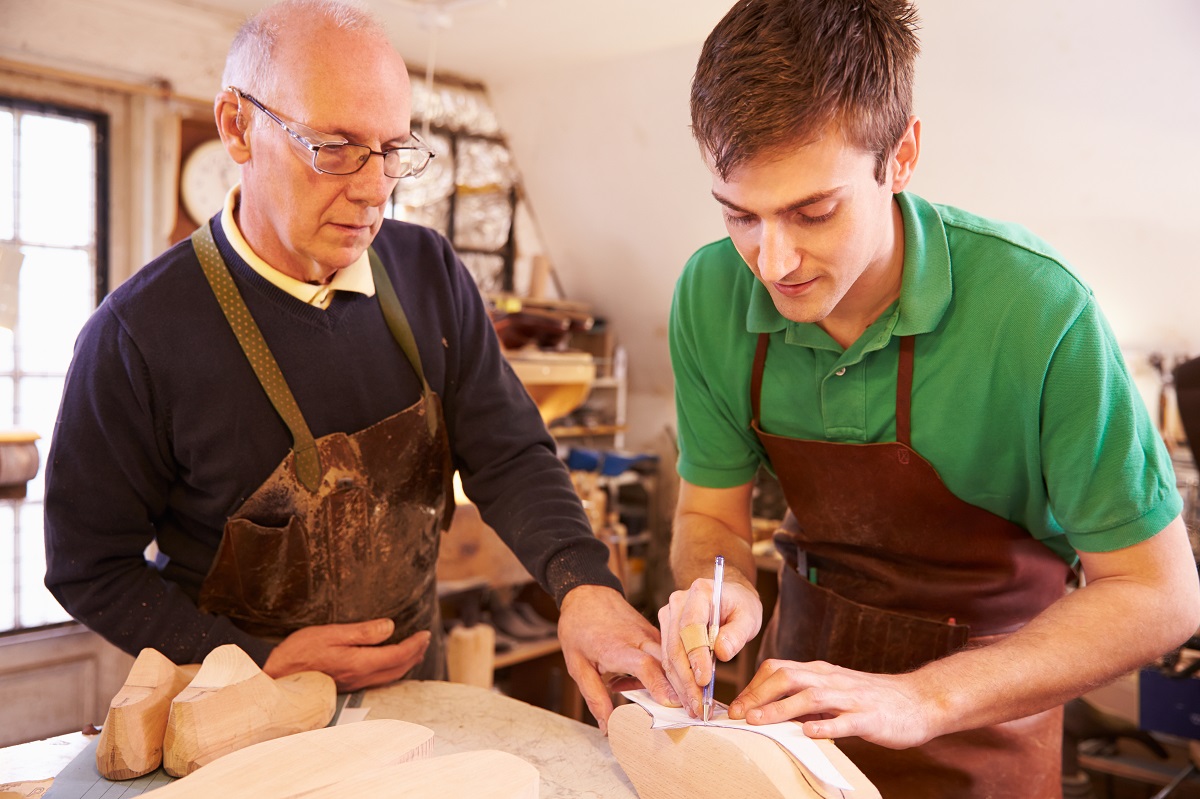
Will this art be perfect? No. This type of art is rarely perfect, but that is okay because it is always a work in progress. We ourselves are always a work in progress, at least we should be.
I suggest to you that being a caring grandparent, like carving, is an art of subtraction. We take away the unnecessary judgment, control, busyness—so that what remains is pure love, encouragement, and the resilience needed to start the process all over again. When the time is right, we can pass along the carving tools, our notebooks full of lessons learned about art and life, to the next set of artists.
Put another way, in the end, the masterpiece does not bear our image—it bears the mark of the grandchild’s own becoming.
That is legacy.
That is leadership.
That is grandparenting done well.
About the Author
Greg Payne is the proud father of two sons and a Cool Grandpa to four fantastic grandchildren. He hosts The Cool Grandpa Podcast, where he interviews grandfathers about how they make their relationships cool. Greg also interviews adult grandchildren about their experiences with their grandfathers and experts in areas important to grandfathers. He has written the award-winning children’s book My Grandpa’s Grandpa. He is married to Karen Mangum and lives with their crazy beagle, Roxy, in Atlanta, Georgia.