Coping with Health Limitations:
Finding Ways to Engage with Grandchildren Despite Physical or Cognitive Challenges
Being a grandparent is one of life’s great joys, but it can also come with challenges, especially when health limitations make it harder to be physically active or mentally present in the ways you once were. Whether due to aging, chronic illness, mobility issues, or cognitive changes, many grandparents face the difficult question: How can I stay connected and engaged with my grandchildren when I’m not at my best physically or mentally? The good news is that connection doesn’t require perfection—it just requires love, creativity, and presence.
First, it’s important to acknowledge your own limitations without shame or guilt. Children are often more understanding than we give them credit for, especially when honesty is delivered gently and with love. Sharing your reality with your grandchildren—at a level appropriate to their age—can build trust and empathy. You don’t have to pretend to be someone you’re not; instead, focus on what you can do, not what you can’t.
Physical challenges such as limited mobility, arthritis, or fatigue may prevent you from running around the yard or playing active games. However, there are many quiet, engaging activities you can still enjoy together:
-
Reading stories aloud or listening to audiobooks together
-
Doing puzzles, playing board games, or simple card games
-
Watching movies or nature documentaries and talking about them
-
Sharing family photos and telling stories from your youth
-
Doing art or crafts that don’t require a lot of movement
Cognitive changes can also impact how you relate to your grandchildren. Memory lapses, confusion, or slower processing don’t have to end meaningful connection. Children often value attention and affection over deep conversation. You might find joy in simply sitting together, sharing snacks, or listening to music they love.
Technology can be a bridge when in-person visits are difficult. Even if you’re not tech-savvy, many platforms are designed with simplicity in mind. With help from a caregiver or relative, you can video chat, read a book over Zoom, send voice recordings, or play virtual games together. Seeing your face and hearing your voice—even briefly—makes a difference in a child’s day.
Grandchildren can also be invited to adapt and include you in their world. Encourage them to help you with simple tasks around the house, show you their art or schoolwork, or teach you about their hobbies. Letting them take the lead can be empowering for them and relaxing for you.
It’s also helpful to work with your adult children to set expectations and boundaries. They can support the relationship by planning visits, guiding conversations, or suggesting activities that work for everyone. A united family approach ensures you don’t feel isolated or burdened by the pressure to “keep up.”


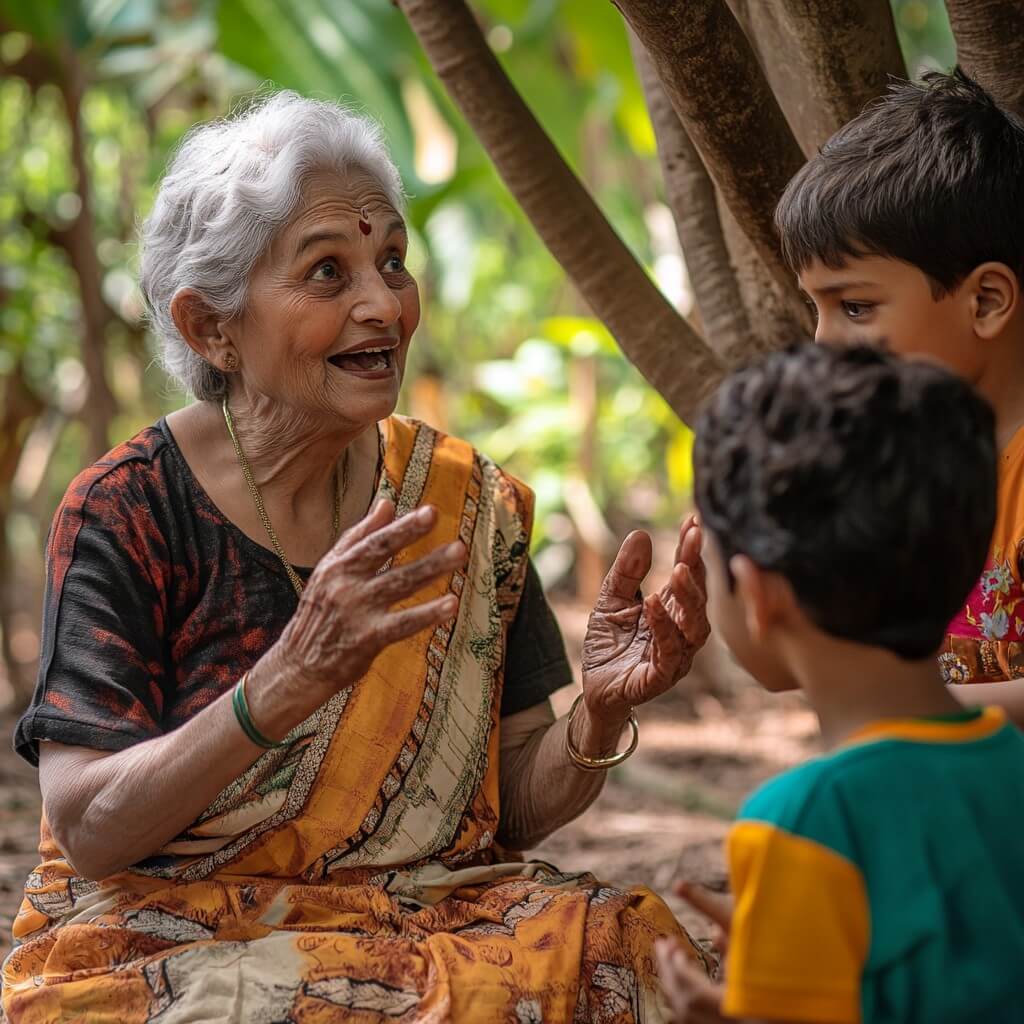
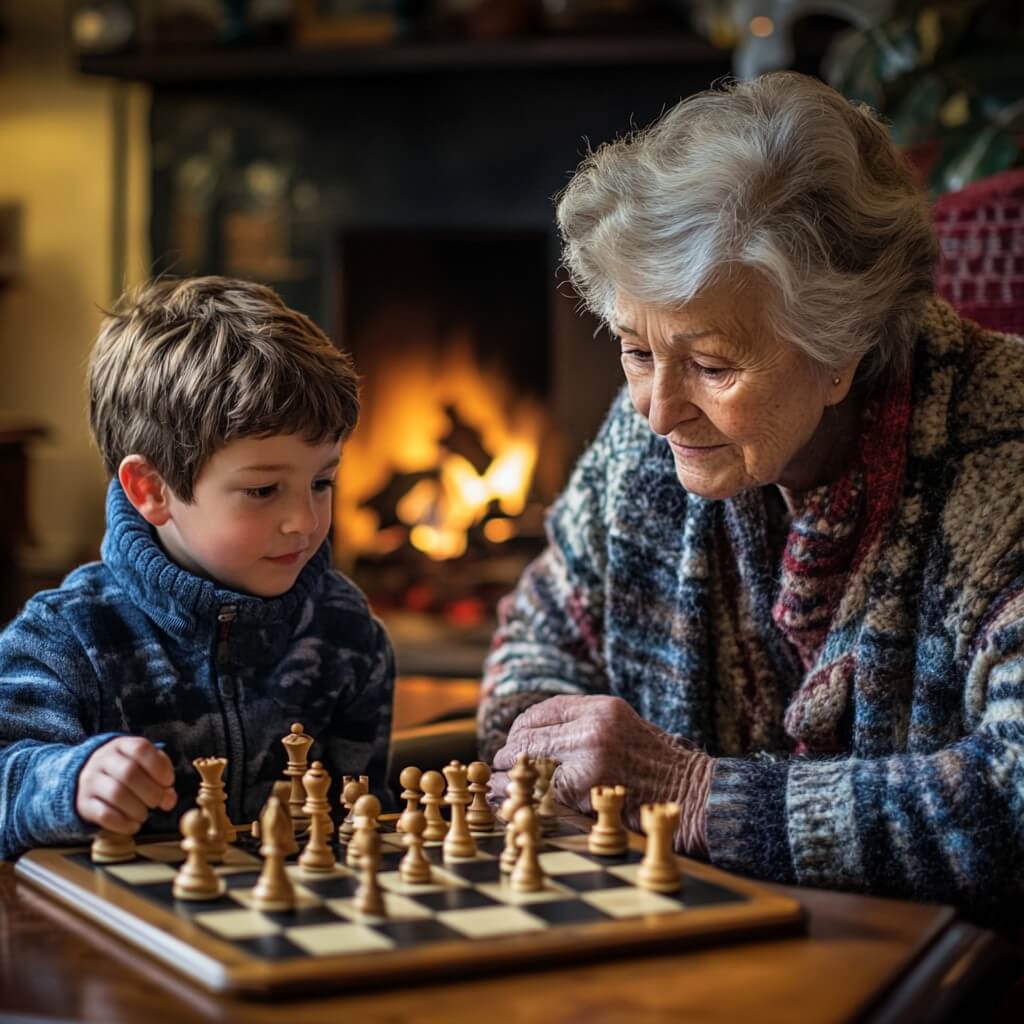
Above all, remember that the heart of grandparenting is love. Your presence, no matter how limited, matters. Even quiet time together can form lasting memories and a strong emotional foundation. Don’t underestimate the impact of your attention, your voice, or your gentle presence in your grandchild’s life.
In summary, connection is still possible—even beautiful—despite health challenges. Here are a few final reminders:
-
Focus on what you can do and let go of guilt over what you can’t
-
Choose quiet, low-energy activities to enjoy together
-
Use technology to bridge the distance
-
Allow your grandchild to help or teach you something new
-
Lean on family members to support your role as a grandparent
You may not always feel like the grandparent you hoped to be, but to your grandchildren, your love and effort mean everything.
Recent Posts
After the Bridge Is Rebuilt: How to Keep the Peace Long-Term
Reconciliation is just the beginning. Grandparents who rebuild strained relationships often slip back into old…
Grandparenting Workshops and Seminars: What to Expect and How to Plan One
Grandparenting workshops are in high demand. Learn what makes them effective, which topics resonate most…
Neil Taft Speaking Topics: Building Stronger Grandparent Relationships
Neil Taft's speaking topics address the real challenges modern grandparents face - from estrangement to…
How to Find the Right Grandparenting Speaker for Your Event
Finding the right grandparenting speaker means looking beyond credentials to real-world experience, viral reach, and…
Scarlet Turns 21: A Letter from Papa Jamie
A grandfather's letter to his granddaughter on her 21st birthday. Wisdom on identity, relationships, risk,…
When the Bridge Breaks: How to Rebuild Your Relationship With Your Grandchildren’s Parents
Strained grandparent-parent relationships are more common than families admit. When the bridge breaks, rebuilding requires…