

What Grandchildren Remember Most
Ask most adults what they remember about their grandparents and they rarely mention gifts. They remember being listened to. They remember a grandparent who knew their favorite color, remembered the name of their best friend, asked about the thing they mentioned once months ago.
They remember feeling like they mattered.
That is not a small thing. That is the whole thing.
Why Grandparents Have a Unique Advantage
Grandparents occupy a rare position in a child’s life. They are not the ones setting bedtimes or enforcing homework rules. That distance creates space, and space creates opportunity. Grandchildren often say things to grandparents they would never say to a parent. Not because grandparents are more important, but because the relationship feels safer for certain kinds of honesty.
The question is whether grandparents are ready to receive what grandchildren are willing to share.
Research published in the Journal of Applied Gerontology found that grandparents who were more socially and emotionally engaged with their grandchildren reported lower loneliness, better subjective memory, and more positive emotional experience overall. The relationship benefits both generations. But it starts with one side paying attention.
Hearing What Is Not Said
Grandchildren, especially teenagers and young adults, rarely ask for connection directly. They signal it. A grandchild who texts out of the blue about something random. A teenager who lingers after dinner instead of going straight to their room. A young adult who calls more often than usual during a hard season.
These are not accidents. They are invitations.
Grandparents who learn to read these signals become anchors. They become the person a grandchild thinks of when things get hard. That kind of relationship does not happen by accident. It is built through consistent, specific attention over time:
Use their names often. It signals presence and care.
Remember the small details. Ask about the friend, the tryout, the test they mentioned.
Follow up. “Last time we talked you were nervous about X. How did it go?”
Match their pace. Some grandchildren want to talk. Others want to just be nearby. Both are connection.
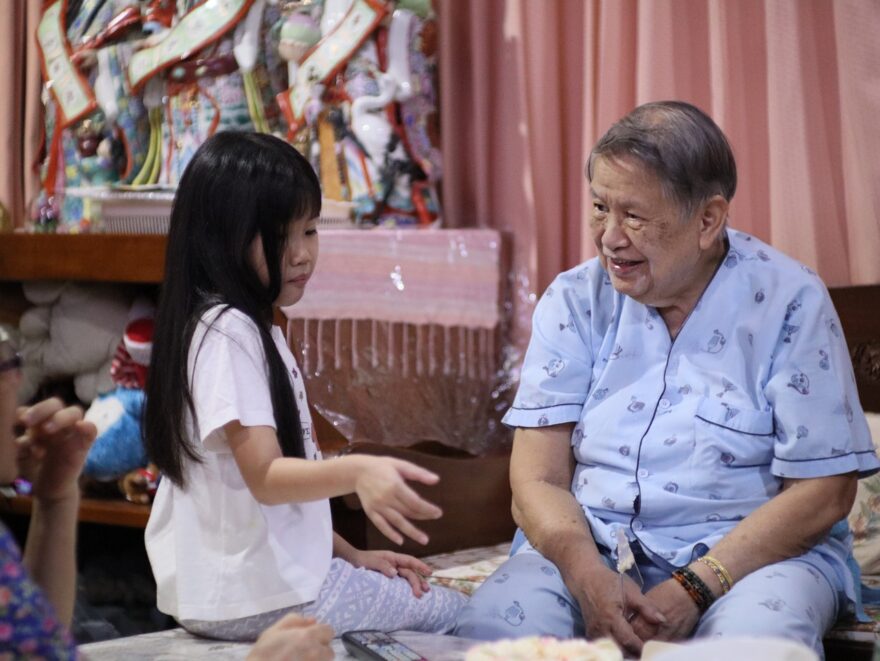
The Gift That Does Not Cost Anything
There is a quiet fear many grandparents carry: that they are losing relevance in their grandchildren’s lives. That the distance, the screens, the busyness of modern family life is pulling everyone apart.
Attention is the answer to that fear.
“You do not have to compete with their world. You just have to show up in it with your full presence.” — Neil Taft
When a grandchild knows that their grandparent is genuinely curious about their life, not just performing interest, something locks in. They feel known. And people who feel known by their grandparents carry that security with them for the rest of their lives. Studies consistently link strong grandparent relationships to better emotional resilience in grandchildren.
That is the legacy attention builds.
For more practical grandparenting guidance, explore Neil Taft’s books and resources at caringgrandparents.com and neiltaft.com/books.